
Adaptive Lighting for Year-Round Greenhouse Production
How Does Adaptive Lighting Enable Year-Round Greenhouse Production?
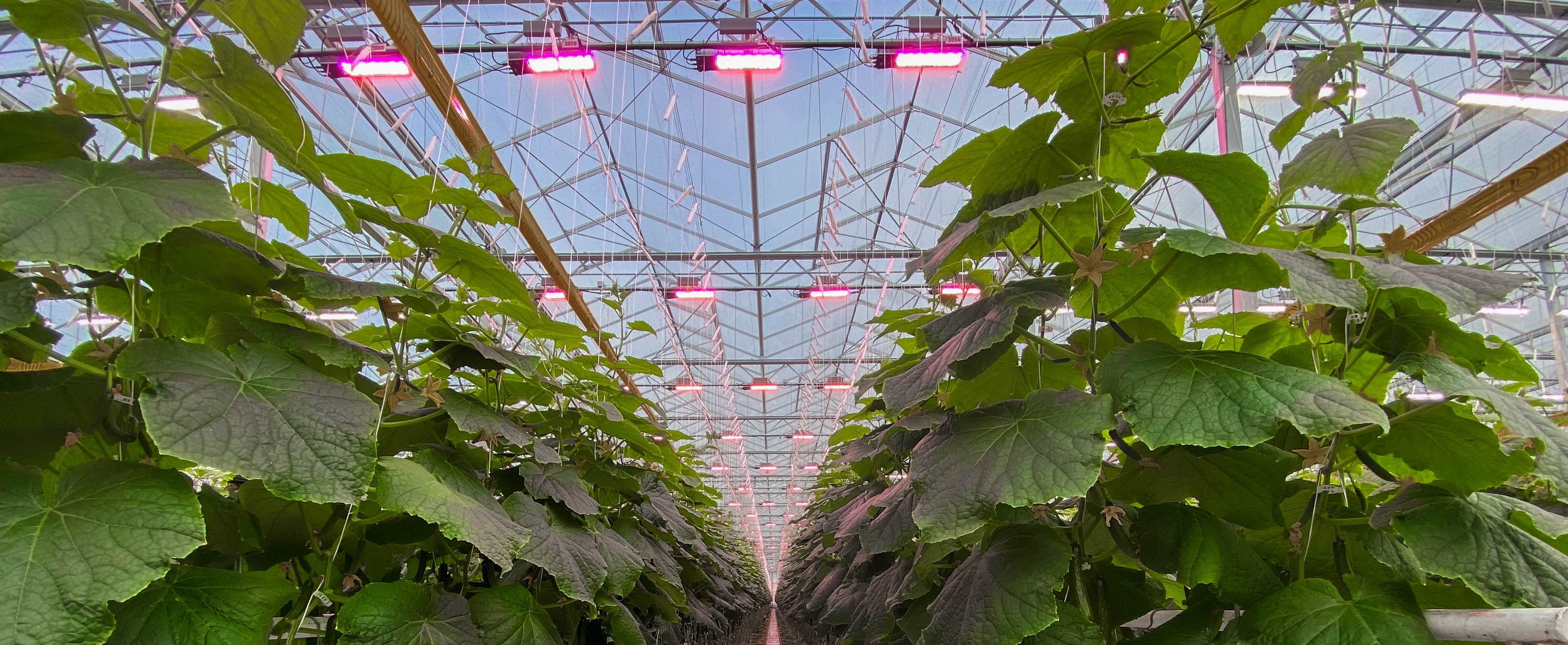
Adaptive LED lighting lets commercial growers hold consistent, high-quality crop cycles in every season, regardless of weather or latitude. Year-round greenhouse production is no longer a distant goal. When natural sunlight falls short, an intelligent lighting system fills the gap with precision, giving plants exactly what they need to grow on schedule.
Sollum Technologies builds this adaptive capability into its dynamic LED lighting solution, which it designs and manufactures in North America. Rather than delivering a fixed output, the system responds to plant growth stages, seasonal shifts, and crop-specific requirements. The result is a controlled environment where growers stay in command of production timelines, crop quality, and energy costs throughout the year.
Understanding the Challenges of Year-Round Cultivation
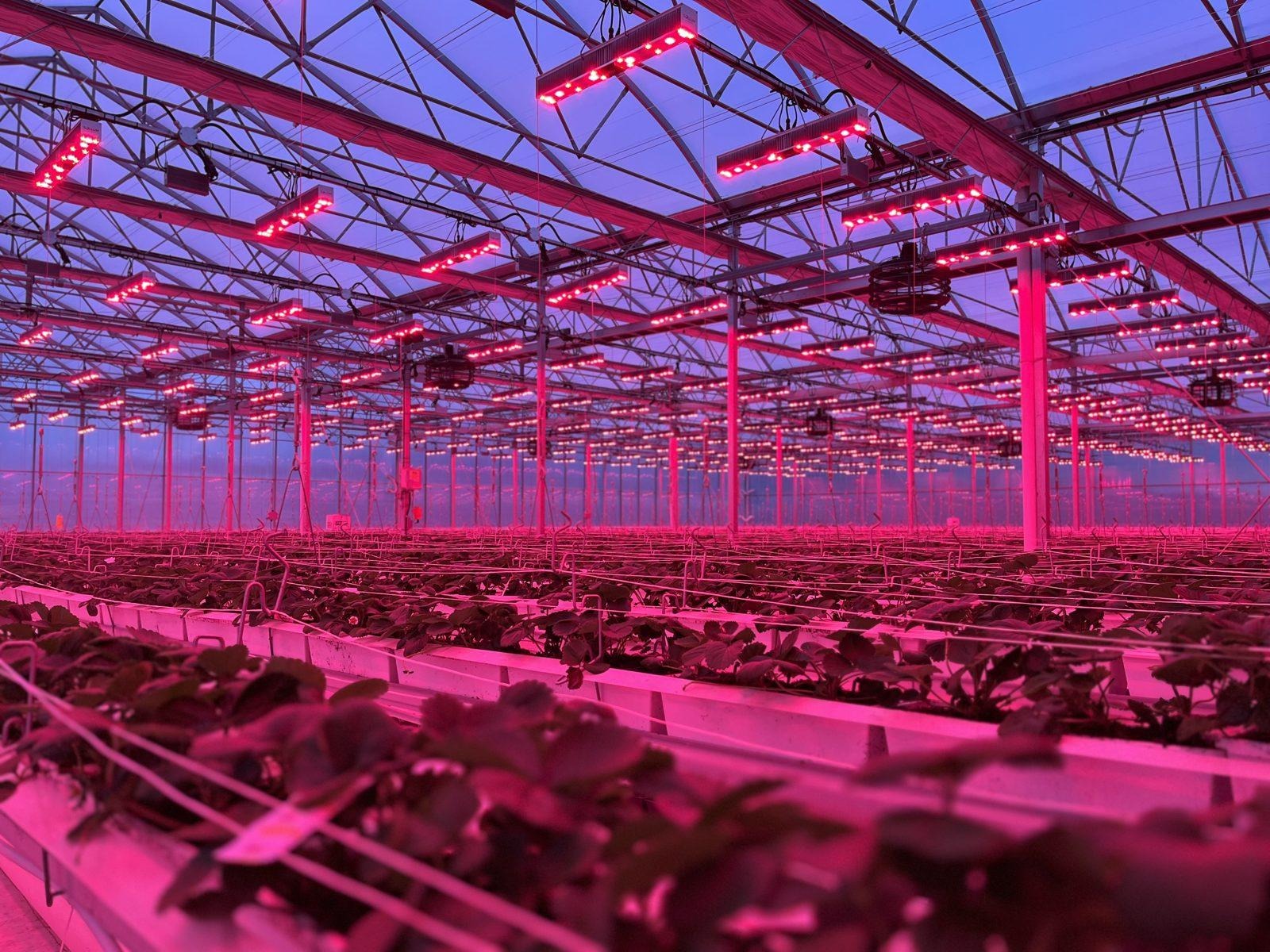
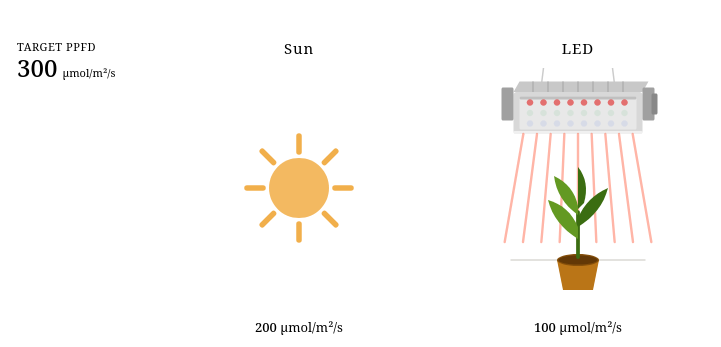
Continuous cultivation runs into one problem: the sun does not deliver equally across all seasons. During winter, day length shrinks, light intensity drops, and the photosynthetic photon flux density (PPFD) available to plants falls well below what most crops need. PPFD measures the number of light particles, called photons, that hit a square meter of plant surface each second. When that number stays too low for too long, growth slows, quality drops, and schedules fall apart.
Seasonal variation also disrupts photoperiod, the daily cycle of light and darkness that plants use as a biological clock. Many crops depend on specific photoperiod conditions to trigger flowering, fruiting, or dormancy. Without reliable control over this cycle, growers lose the ability to predict harvest timing, which makes consistent supply nearly impossible. Customers and retail partners expect predictability, and seasonal light swings make that hard to deliver.
Traditional lighting has long struggled with this problem. High-pressure sodium (HPS) lamps provide supplemental light but offer little flexibility in spectrum or intensity. They run at a fixed output, consume significant energy, and generate substantial heat, which adds to cooling costs. These systems were built for a time when "more light" was the primary goal. The science of plant lighting has moved far beyond that, and the technology needs to match.
The Role of Dynamic LED Technology in Extending Growing Seasons
Dynamic LED systems give growers precise control over three variables: light intensity, spectral composition, and duration. This control means that even during the darkest weeks of winter, plants inside a properly equipped greenhouse experience conditions similar to a productive summer day. Adaptive LED systems hold the daily light integral (DLI) — the total amount of photosynthetically active light a plant receives over a full day — at optimal levels regardless of what happens outside.
DLI is measured in moles of light per square meter per day (mol/m²/day). Most fruiting vegetables require a DLI of 20 to 30 mol/m²/day for peak production. In northern regions during winter, natural DLI can fall below 5 mol/m²/day. Supplemental LED lighting bridges that gap reliably and efficiently, keeping crop development on track across all 12 months of the year.
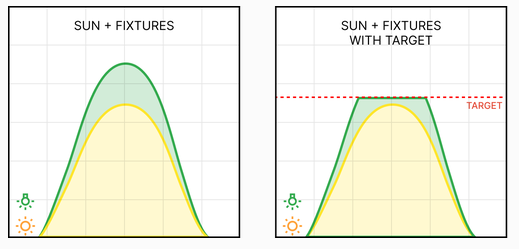
fixture output adapts so the canopy stays on target (right).
Source: Sollum Technologies.
Beyond compensating for low light, dynamic technology adjusts automatically as plants move through growth stages. Seedlings have different light requirements than mature fruiting plants. Adaptive systems recognize and respond to these differences, delivering the right intensity and spectrum at the right time. This reduces plant stress, improves uniformity across the crop, and removes guesswork from cultivation decisions.
Spectrum Customization for Different Seasonal Requirements
Light spectrum shapes how plants grow and develop. Blue wavelengths, typically in the 400 to 500 nanometer range, support compact vegetative growth with thick leaves and strong stems. Red wavelengths, in the 600 to 700 nanometer range, drive the transition into flowering and fruiting. Growers who control both can shape crop development to their production schedule rather than the calendar.
Full-spectrum LED systems let growers move beyond simply triggering growth phases. They can influence plant morphology, adjusting physical traits like leaf thickness, stem height, and root density based on what the market demands. A buyer looking for compact, dense lettuce heads gets a different light recipe than one ordering tall, loosely structured herbs. This customization was not practical with older lighting technology.
Source: Sollum Technologies.
Spectrum targeting also reduces waste. Plants use specific wavelengths for photosynthesis and largely ignore others. Delivering a broad, undifferentiated output means wasting energy on wavelengths that do not contribute to growth. Programmable spectrum control ensures energy goes where it actually drives results.
Maximizing Crop Quality During Low-Light Seasons
Winter cultivation puts crop quality at real risk. Reduced PPFD and shorter days affect far more than growth speed. Plants grown under insufficient light often show pale coloration, thin leaves, reduced sugar accumulation, and weaker nutritional profiles. For specialty crops and premium market segments, these losses translate directly into lower prices and rejected orders.
Supplemental LED lighting holds target DLI levels throughout the winter, which protects the quality parameters buyers care about. Color intensity in leafy greens, firmness in tomatoes, essential oil concentration in herbs, and visual uniformity across a batch all depend on consistent light delivery. When lighting conditions stay stable year-round, quality becomes predictable, and predictable quality builds stronger commercial relationships.
Year-round LED supplementation also reduces crop-to-crop variability. In uncontrolled or partially controlled environments, growers often see large differences between summer and winter harvests of the same crop. Customers who rely on consistent product specifications find this variability hard to manage. Adaptive lighting removes the seasonal swing and makes every harvest cycle more reliable.
Preventing Common Winter Growing Problems
Low winter light is directly linked to a cluster of production problems growers recognize immediately:
- Elongated, stretched plants reaching toward insufficient light sources
- Weak stems that cannot support fruit loads
- Delayed maturity that disrupts delivery schedules
- Reduced immune response that increases disease pressure
These problems are not inevitable. They are symptoms of inadequate light management. Adaptive lighting systems address each one by providing supplemental illumination during the specific growth windows when plants are most vulnerable. Early vegetative stages benefit from consistent blue-spectrum light that promotes compact, sturdy growth. Transition periods benefit from precisely timed spectrum shifts that trigger healthy developmental changes.
Beyond protecting individual crops, precise light management reduces overall crop loss, which has a direct impact on facility economics. Even a modest reduction in winter rejection rates and quality downgrades can meaningfully improve annual profitability, particularly for high-value specialty crops.
Energy Efficiency Considerations for Continuous Production
Lighting is usually the largest single electricity expense in a controlled-environment facility, so fixture efficiency drives financial sustainability. For the same light output, modern LED fixtures draw far less electricity than HPS. Sollum’s dynamic LEDs cut greenhouse lighting energy by 40 to 60 percent versus HPS. Total facility savings are more modest once heating is included: a Wageningen University & Research study modelled 10 to 25 percent total energy savings across a wide range of climates, because cooler-running LEDs shift part of the load to the heating system.
Intelligent dimming adds another layer of efficiency. When natural sunlight provides partial coverage, the LED system automatically reduces its output rather than running at full capacity. This demand-responsive operation keeps energy consumption aligned with actual plant needs. On a sunny winter day, the system supplements what nature provides; on a cloudy day, it compensates fully. The balance shifts constantly, and the system adjusts without manual intervention.
Price-Based Dimming: Managing Lighting Around Electricity Costs
Price-based dimming acts on energy cost directly, not just on energy use. In markets with hourly or day-ahead electricity pricing, Sollum’s SUNaaS® platform reads next-day prices and automatically dims the fixtures during the most expensive hours of the photoperiod, then returns them to normal output when prices fall. Growers set the rules: a series of price thresholds, each paired with a minimum PPFD the crop should never drop below. If sunlight alone covers that minimum, the fixtures can switch off entirely.
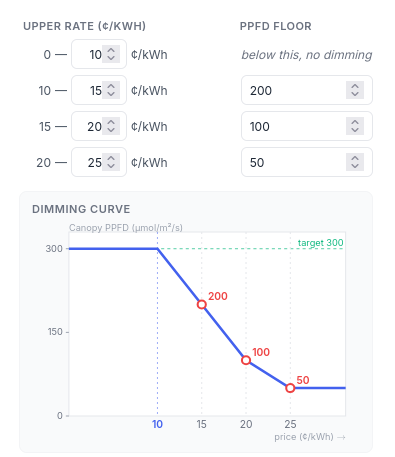
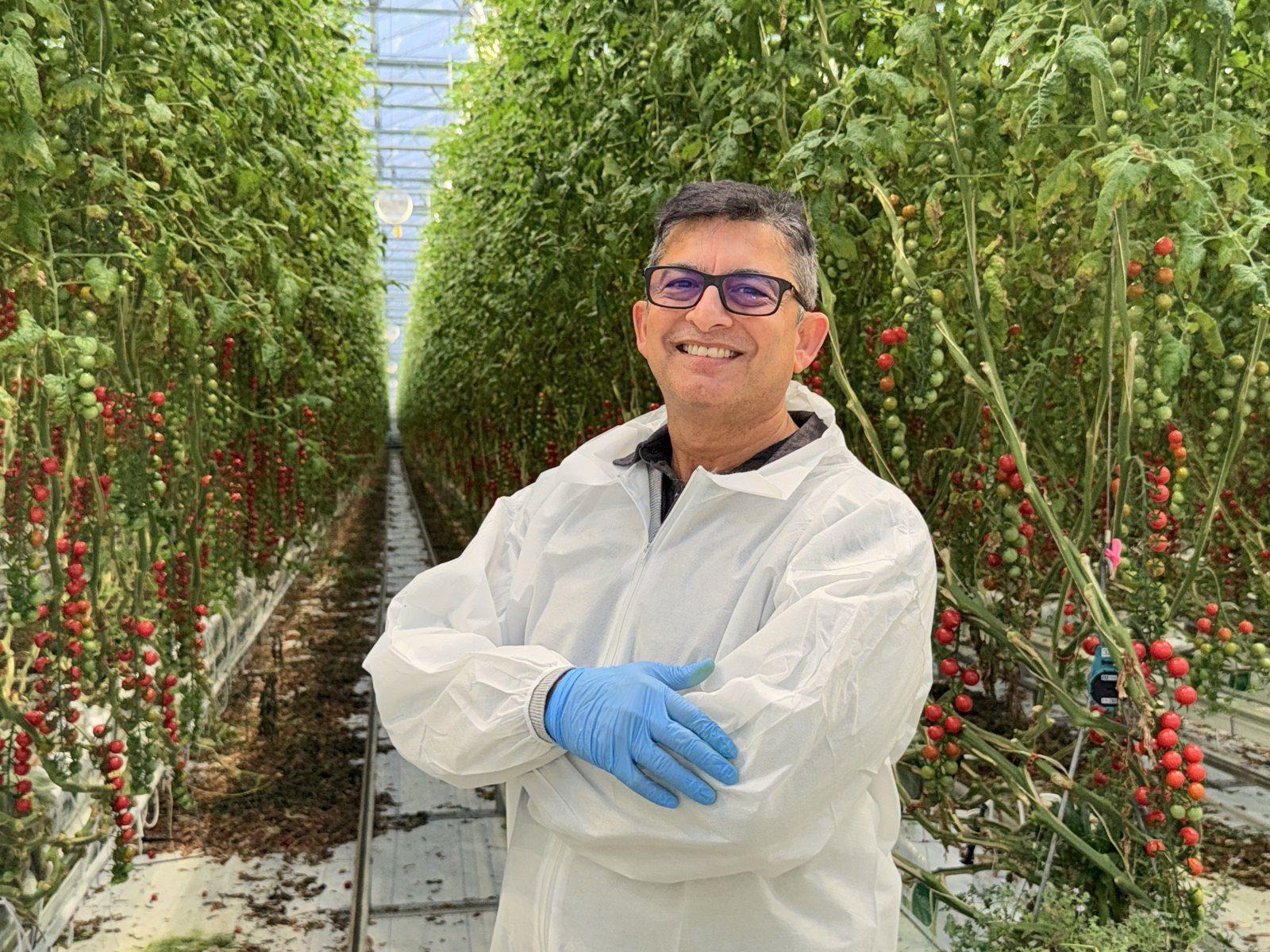
Dimming is paired with spectral rectification, so the light that remains does more work. “When light output is reduced because of electricity pricing, the spectrum can also be adjusted toward wavelengths that remain useful to the crop,” explains Dr. Abhay Thosar, Chief Horticulture Specialist at Sollum. If a tomato crop targeting 350 µmol/m²/s is dimmed to 100 µmol/m²/s, for example, the system increases the proportion of red light while reducing blue, green, and far-red.
Because SUNaaS forecasts tomorrow’s PPFD, DLI, power consumption, and energy cost a day in advance, growers can see the trade-off before it happens rather than after the electricity bill arrives.
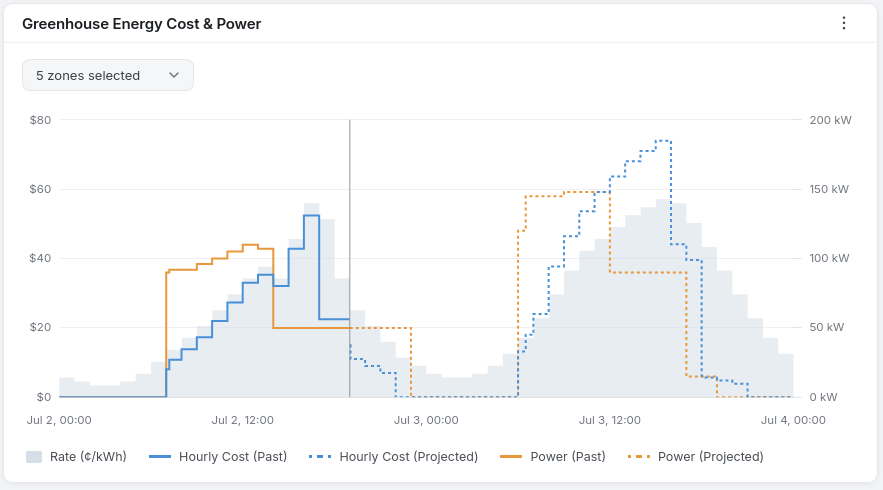
Source: Sollum Technologies.
The goal is profitability per kilo, not production at any cost. “Don’t just push for higher production,” Abhay cautions. “A lot of times to get one kilo, you’re spending a lot more on energy.” In an ongoing Sollum trial covering seven winter weeks (week 51 to week 5), price-based dimming saved $8.35 per square meter in electricity. The reduced light lowered yield by an estimated 0.713 kg/m², worth about $1.43/m² at a net margin of $2.00/kg, leaving a net benefit of $6.92/m², or roughly $27,700 per acre. Results vary with crop, season, energy provider, and fixture model.
Calculating the Return on Investment for Year-Round Systems
The financial case for continuous-production lighting rests on three factors: more crop cycles per year, better energy efficiency, and premium pricing for off-season product. Together they drive a return on investment that typically materializes within two to four years for well-managed operations.
Additional crop cycles are the most direct contributor. A facility that produces three tomato cycles per year instead of two generates roughly 50 percent more product from the same infrastructure. When those extra cycles deliver consistent quality at premium off-season prices, the revenue impact is substantial. Herbs, specialty greens, and ornamental plants that command elevated prices during winter offer particularly strong returns.
Reduced energy costs lower the operational baseline, which improves margin across all production cycles, not just the additional ones. Combined with the revenue upside from increased volume and premium pricing, adaptive lighting becomes a clear economic priority for facilities planning multi-year growth.
Adapting Light Recipes for Multi-Crop Production Cycles
Many greenhouse operations grow more than one crop type, either at the same time in different zones or consecutively in the same space. This diversity creates a lighting challenge that rigid systems cannot solve. A single fixed setup optimized for tomatoes will not serve leafy greens well, and neither configuration suits a flowering ornamental crop.
Programmable light recipes solve this directly. Growers store and activate specific protocols for each crop type, switching between them quickly as production plans change. No infrastructure modifications or hardware replacements are needed to transition between crop species. The flexibility lives in the software, so the physical system supports a wide range of cultivation strategies without added capital investment.
Zone-specific control extends this flexibility further. A single greenhouse can run different light protocols in different sections at the same time, accommodating multiple crops at different growth stages within one facility. Sollum’s dynamic LED solution has been proven across more than 100 crops and cultivars, which is what makes this mixed-production flexibility practical at scale.
Creating Custom Protocols for Specific Crop Types
Leafy greens like lettuce and spinach thrive under higher blue-spectrum ratios and moderate intensity that support dense leaf structure without triggering premature bolting. Fruiting crops like tomatoes and cucumbers need higher overall intensity and carefully timed red-spectrum increases to support flower development and fruit set. Ornamental plants often require precise photoperiod control to hit specific bloom dates aligned with market events.
Research-backed protocols translate plant science into practical production tools. Work published through institutions like Wageningen University and the University of Guelph has produced detailed guidance on optimal DLI ranges, spectral ratios, and photoperiod requirements for many commercially grown species. Sollum’s approach incorporates this scientific foundation, giving growers protocols validated against real crop performance data.
Continuous refinement of these protocols based on facility-specific performance data drives ongoing improvement. What works well in one climate or crop variety may need adjustment for another. Systems that capture and analyze performance data make that refinement systematic rather than guesswork.
Integration with Other Climate Control Systems
Lighting does not operate in isolation inside a greenhouse. Temperature, humidity, CO2 concentration, and airflow all interact with light to determine how well plants grow. A high-intensity lighting period that pushes canopy temperature beyond the optimal range can cancel out the photosynthetic benefit of the extra light. Effective year-round production requires all of these systems to work together, not independently.
Coordination between supplemental lighting and heating is especially important in winter. LED fixtures generate less heat than HPS lamps, so winter heating loads may actually increase when transitioning to LED. Climate control systems need to account for this to avoid temperature drops that stress plants during critical growth periods. Integrated environmental management platforms handle this coordination automatically, adjusting heating output when lighting intensity changes.
Automated systems that synchronize all environmental parameters are increasingly standard in modern controlled-environment agriculture. These platforms receive continuous sensor data from across the greenhouse, process it against target growing conditions, and make real-time adjustments to lighting, heating, cooling, and ventilation. The result is a growing environment that stays within tight parameters around the clock, minimizing stress events and supporting consistent crop development.
Monitoring and Data-Driven Decision Making
Sensor networks distributed throughout a greenhouse capture real-time data on temperature, humidity, CO2 levels, light intensity, and plant response. This data stream is the foundation of effective year-round management. Without it, growers respond to problems after crops are already affected. With it, they identify developing issues early and adjust before quality or yield suffers.
Analytics platforms process this sensor data and surface meaningful insights. Patterns emerge over time that are invisible in day-to-day observation, such as the conditions that consistently precede a disease outbreak, or the light-recipe adjustment that reliably improves fruit color scores. Growers who act on this analysis build operational knowledge that compounds, driving steady improvements in crop outcomes.
Historical data also supports strategic planning. Understanding how DLI levels, temperature patterns, and crop performance correlate across seasons lets growers make confident decisions about production scheduling, input purchasing, and market commitments. Data-driven operations carry less risk and adapt more effectively to changing market conditions.
Overcoming Geographic and Climatic Limitations
Adaptive lighting has changed the geographic boundaries of productive greenhouse agriculture. Northern-latitude regions that once seemed unsuitable for commercial winter production are now viable year-round growing locations. Scandinavia, Canada, and the northern United States are home to greenhouse operations that produce consistent yields through months of extreme low-light conditions, thanks to intelligent supplemental lighting.
This expansion carries real implications for food systems. Greenhouse operations enabled by adaptive lighting reduce dependence on long-distance supply chains that are vulnerable to transportation disruptions, fuel-price volatility, and quality loss in transit. Produce grown locally and delivered fresh commands higher consumer trust and, often, higher market prices.
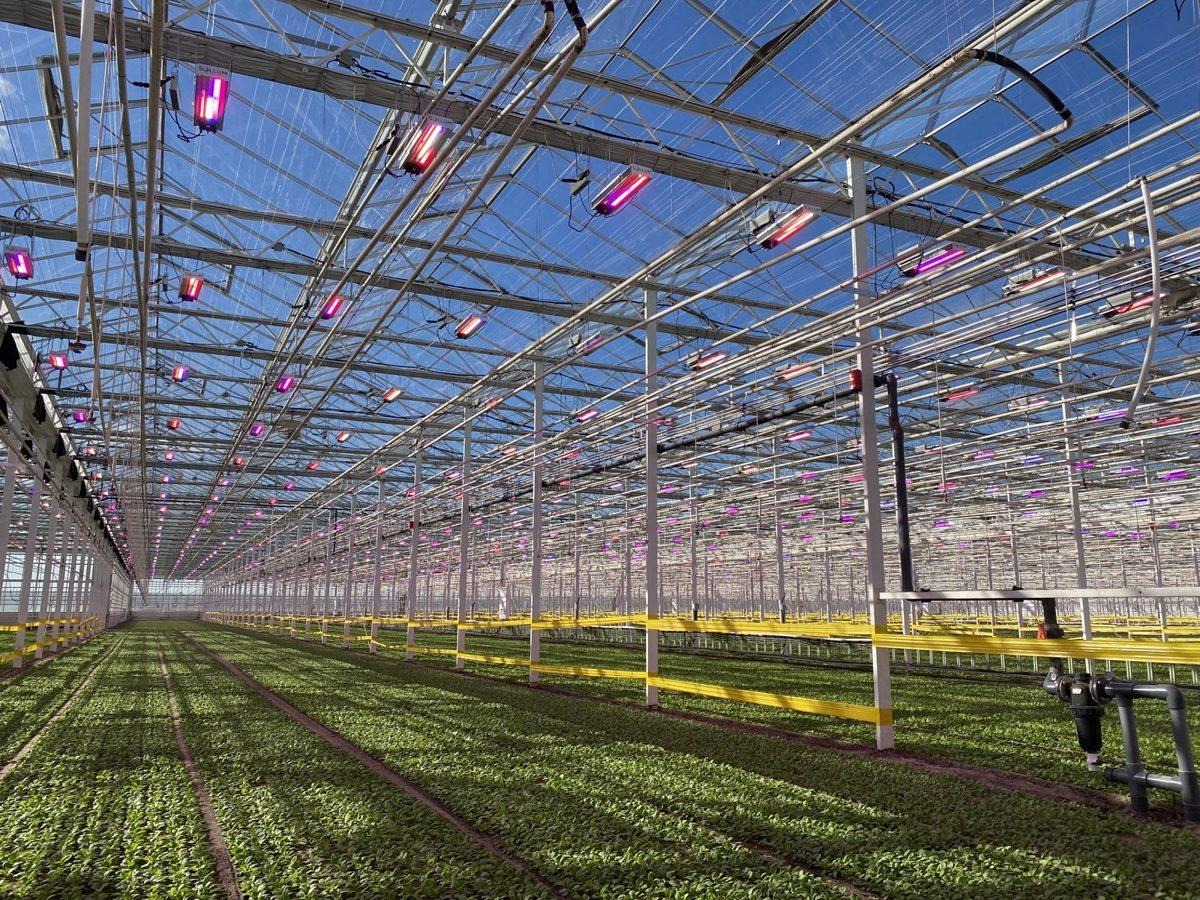
The environmental case is equally strong. Reducing the distance food travels from farm to table cuts carbon emissions from refrigerated transportation. Local production also reduces food waste, since shorter supply chains mean less time between harvest and consumption. Controlled-environment agriculture enabled by adaptive LED lighting supports broader sustainability goals that matter to consumers, retailers, and policymakers.
Future Developments in Year-Round Greenhouse Technology
Artificial intelligence and machine learning are already reshaping how greenhouse lighting systems operate. Algorithms now analyze plant growth data, environmental sensor readings, and energy-pricing signals at the same time, making lighting adjustments no human operator could manage manually at the required speed and precision. As these systems grow more sophisticated, the gap between optimal and actual conditions inside a greenhouse narrows further.
Forecast-driven lighting is no longer a future concept. Sollum’s Predictive DLI combines real-time light readings with weather forecasts to estimate how much natural light the crop will receive that day, then adjusts supplemental lighting across the whole photoperiod to hit the DLI target without overshooting. Adjustments continue throughout the day as conditions change, and when the sun is forecast to deliver enough light on its own, the fixtures stay off.
Economic accessibility keeps improving as LED efficiency rises and hardware costs decline. Systems once viable only for large commercial operations are becoming practical for mid-scale and even small-scale growers. As the technology reaches more of the agricultural sector, its cumulative impact on local food supply, energy efficiency, and seasonal availability will grow significantly.
Frequently Asked Questions
What are the main benefits of year-round greenhouse production?
Year-round production gives growers control over harvest timing, crop consistency, and revenue across all seasons. The primary benefits include multiple production cycles per year from the same facility, reduced dependence on seasonal weather, premium pricing for off-season crops, and the ability to supply customers with consistent product specifications regardless of the time of year. More broadly, year-round operations support local food systems and reduce the environmental costs of long-distance food transportation.
How much additional yield can growers expect with continuous production cycles?
Yield gains depend on the crop type, the baseline setup, and how completely the adaptive lighting system replaces missing natural light. In general, moving from seasonal to year-round production can increase annual output by 30 to 50 percent simply by adding one or two production cycles. Quality improvements from consistent DLI management can further raise the share of harvest that meets premium-grade specifications, improving effective revenue yield beyond raw volume gains.
Does adaptive LED lighting work effectively in all climate zones?
Yes. Adaptive LED systems function in any climate zone by compensating for whatever natural-light deficiency exists in a given location. In northern latitudes with very short winter days, the system runs at higher supplemental intensity for longer periods. In temperate zones, it provides lighter supplementation during partially cloudy periods. The system scales its output to match the gap between available natural light and the target DLI for the crop being grown.
What crops are best suited for year-round greenhouse cultivation?
Leafy greens such as lettuce, spinach, and arugula respond particularly well because they have moderate light requirements and fast cycle times. Tomatoes, cucumbers, and peppers are also well established in continuous greenhouse production. Herbs including basil, cilantro, and mint offer strong economic returns in year-round operations. Flowering ornamentals suit year-round cultivation well because precise photoperiod control aligns bloom timing with demand peaks like Valentine’s Day or spring garden season.
How long does it take to see return on investment with year-round lighting systems?
Most well-managed operations see full return on investment within two to four years. The timeline depends on local energy costs, the crop mix and its price premiums, the scale of the installation, and how efficiently the operation manages its production cycles. Facilities growing high-value specialty crops in regions with strong off-season pricing often reach ROI at the shorter end of this range.
Can existing greenhouses be retrofitted for year-round production?
Yes. Retrofitting an existing greenhouse for year-round production with adaptive LED lighting is a common and practical approach. The main considerations are ensuring the structure can support the weight of LED fixtures, that electrical capacity is adequate for the planned lighting load, and that climate control can manage the heating and cooling adjustments that accompany year-round operation. Many facilities begin with a partial retrofit in one section to evaluate performance before scaling across the full structure.
What are the energy requirements for maintaining year-round operations?
Energy requirements vary with crop type, target DLI, climate zone, and the efficiency of the LED fixtures installed. For the same light output, modern LED fixtures typically use 40 to 60 percent less lighting electricity than equivalent HPS setups; net facility savings are lower once increased heating is factored in. A fully supplemented year-round operation in a northern climate uses more energy annually than a seasonally limited greenhouse, but the energy cost per unit of crop is typically lower once you account for higher yield volume, improved quality grades, and premium off-season pricing.
Sollum Technologies provides adaptive LED lighting for continuous, year-round greenhouse production, combining precise spectrum control, intelligent energy management, and data-driven automation across all crop types and climate zones. Talk to the Sollum team to plan your year-round lighting strategy.
Learn about the new energy savings feature
About Sollum Technologies
As the leader in advanced dynamic LED lighting for commercial greenhouses, Sollum Technologies offers a unique proposition. The comprehensive solution provides the flexibility to adapt lighting in real time to meet crop needs at every stage of growth, supports producers operational and financial goals in a sustainable manner, and offers unmatched technical and agronomic guidance. Designed and manufactured in North America, Sollum's technology is deployed across major greenhouse operations to support year-round production, consistent quality, and smarter energy use.
Founded in 2015, Sollum is headquartered in Montréal (Québec, Canada) with regional offices in Kingsville (Ontario, Canada) and Atlanta (Georgia, USA). For more information, visit sollum.tech.

Stay informed on growing
Get the latest news, innovations, and insights delivered to your inbox
