
LED vs. HPS Greenhouse Lighting: Energy, Yield, Cost & ROI Compared
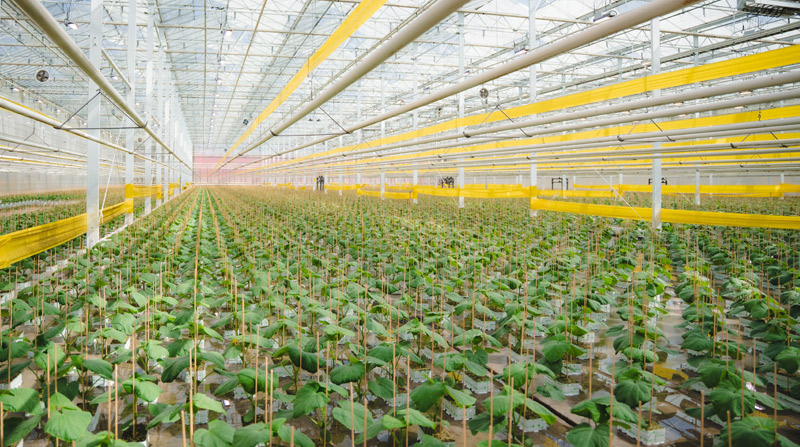
Compare HPS, static LED and dynamic LED greenhouse lighting across energy efficiency, spectrum control, crop performance, maintenance and long-term ROI.
Greenhouse production is dynamic. But most lighting systems are not. Sunlight levels fluctuate throughout the day. Crop requirements evolve from propagation to finishing. Energy prices shift by season and time of use. Yet many greenhouse operations still rely on lighting technologies designed decades ago.
That's why commercial growers are increasingly moving beyond traditional HPS systems and even beyond static LED fixtures, toward dynamic greenhouse lighting solutions that adapt in real time to crop and environmental conditions.
In this guide, we compare HPS vs. LED greenhouse lighting systems, including static and dynamic LED, to help growers evaluate energy efficiency, spectrum control, crop performance, maintenance requirements, and long-term ROI.
What Is the Difference Between HPS and LED Grow Lights?
HPS (high-pressure sodium) and LED grow lights generate photosynthetically active radiation (PAR) differently, which directly impacts energy consumption, heat output, and crop performance.
HPS Technology and Its Limitations in Commercial Greenhouses
HPS fixtures are gas-discharge lamps that generate light through an electrical arc inside vaporized sodium and other gases. They produce a broad spectrum heavily concentrated in yellow, orange, and red wavelengths.
For decades, HPS lighting became the industry standard for supplemental greenhouse lighting due to its high intensity and ability to support flowering and fruiting crops. However, HPS systems were not originally designed for plant optimization but for human eyes to see in the dark. They generate significant radiant heat and offer little control over spectrum or intensity.
HPS lights are inefficient at converting energy into light. In many greenhouse applications, approximately two-thirds of HPS energy consumption is released as heat rather than usable light and they often reach surface temperatures exceeding 750 degrees Fahrenheit.
LED Grow Lights: Targeted Light for Crops
LED greenhouse lighting uses semiconductor diodes to emit specific light wavelengths directly usable for photosynthesis. It can generate a light spectrum that enhance the photosynthetic activity. Unlike HPS systems, LEDs allow growers to target precise spectrums optimized for crop growth, morphology, rooting, flowering, coloration, and overall plant quality.
LED systems also produce significantly less radiant heat, allowing fixtures to be positioned closer to the crop canopy without increasing burn risk.
For commercial growers, this creates major advantages in:
- Energy efficiency
- Climate management
- Crop steering
- Spectrum flexibility
- Long-term operating costs
Why Greenhouse Growers Are Replacing HPS Systems
As greenhouse operations become more data-driven and energy-conscious, growers are reevaluating whether HPS systems still meet modern production requirements.
The biggest limitations of HPS lighting include:
- High energy consumption
- Excessive heat output
- Limited spectrum control
- Frequent bulb replacement
- Reduced operational flexibility
Modern LED greenhouse lighting systems address these challenges while creating new opportunities for precision crop management.
Energy Consumption: HPS vs. LED Greenhouse Lighting
Energy efficiency is one of the main drivers behind the transition from HPS to LEDs.
For many greenhouse applications, a 1000W HPS fixture can often be replaced with approximately 700W of LED lighting while delivering similar PPFD levels at the canopy.
This alone can reduce lighting energy consumption by roughly 25%.
Additionally, modern LED systems deliver substantially higher efficacy levels (µmol/J), allowing growers to produce more usable light per watt consumed.
Higher efficacy translates directly into lower electricity costs and improved rebate eligibility. Growers may then expect reduced operation expenses and better long-term ROI.
Side-by-Side Comparison of HPS vs. Static and Dynamic LED
The table below compares LED vs. HPS greenhouse lighting, including both static and dynamic LED systems.
| HPS | Static LED | Dynamic LED | |
|---|---|---|---|
| Energy Efficiency (µmol/J) | 1.0-1.7 | 2.7-3.8 | 3.3-3.8 |
| Lifespan (Hours) | 10,000-24,000 | 50,000+ | 50,000+ |
| Heat Output | Converts about 1/3 of energy into light and 2/3 into heat | Converts about 2/3 of energy into light and 1/3 into heat | Converts about 2/3 of energy into light and 1/3 into heat |
| Spectrum Control | Fixed | Fixed | Dynamic |
| Maintenance Cost | Lower upfront costs with higher maintenance | Higher upfront costs with lower maintenance | Higher upfront costs with lower maintenance |
| ROI Payback Period (Years) | 0.5-1.0 | 1-5 years depending on the crop | 1-5 years depending on the crop |
Heat Output and HVAC Impact
Heat management is another critical factor when comparing HPS vs. LED greenhouse lighting.
HPS fixtures generate substantial radiant heat, often forcing growers to balance lighting intensity with greenhouse climate control limitations.
LED fixtures produce significantly less radiant heat while allowing growers to independently manage lighting and temperature strategies.
Studies suggest LEDs can generate roughly 60% less heat than HPS fixtures for similar usable PAR output. This reduction can help lower HVAC cooling loads, improve climate uniformity, reduce plant stress, enable closer fixture placement and improve environmental control precision.
For growers operating in warm climates or tightly controlled environments, these savings can become substantial.
Spectrum Control and Crop Performance
One of the most important differences between HPS and LED greenhouse lighting is spectrum control. Compared to HPS which has a spectrum which is not driving the photosynthesis in the plants, LEDs can offer the spectrum which is used by the plants to optimize the production as well as the quality of the crop.
HPS Spectrum Limitations
HPS systems emit a fixed spectrum concentrated in yellow, orange, and red wavelengths. While suitable for some photosynthetic activity, growers cannot adjust spectrum composition based on crop type, growth stage, or production objectives.
This creates a "one-size-fits-all" lighting strategy in an environment where crop needs constantly evolve.
Static LED Spectrum Advantages
Static LED fixtures offer improved spectral customization compared to HPS systems. Plants can use HPS for some photosynthetic activity whereas the fixed spectrum LEDs can offer different variations of Red, Blue, Green and Far-red wavelengths which can be used for various plant activities and support specific crop objectives such as:
- Root development
- Compact morphology
- Flowering
- Biomass accumulation
- Pigmentation
However, static LEDs still maintain the same spectrum throughout production.

Why Dynamic LED Lighting Changes the Equation
Greenhouse production conditions are never static. Natural sunlight changes by the hour. Crop requirements evolve weekly. Different greenhouse zones often require entirely different lighting strategies.
Dynamic LED lighting allows growers to adapt lighting recipes in real time. Instead of forcing crops to adapt to a fixed lighting system, dynamic lighting allows the lighting strategy to adapt to the crop.
This level of precision helps growers optimize yield, crop quality, energy efficiency, morphology, uniformity and operational flexibility.
With Sollum Technologies' SUNaaS® platform, growers can automatically adjust spectrum and intensity in real time while managing multiple greenhouse zones independently.

Crop Yield Comparison and Quality Results From LED Greenhouse Trials
Different crops have different lighting needs. Comparing how LED vs. HPS greenhouse lighting impacts yield for specific crops is important for understanding how each would affect your actual operations.
Tomato, Lettuce, and Pepper Yield Data Under LED Systems
One 2021 study compared LED vs. HPS lighting and examined the effects on lettuce greenhouse production in terms of water consumption, energy use, and yield quality. Researchers found that:
- Lettuce produced under LEDs used 15% less water than under HPS without loss of yield.
- LEDs led to a 24% increase in the concentration of caffeoyltartaric acid.
- The leaves exposed to LEDs showed strong trends toward increased chlorophyll concentration.
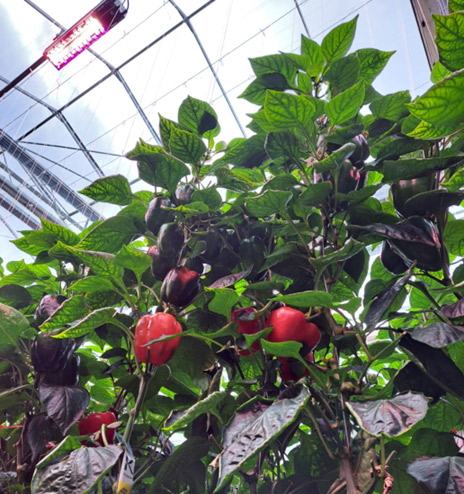
While another study found that the actual crop yields were comparable among peppers grown under LED and HPS lighting, the LEDs promoted better fruit uniformity and reduced energy costs.
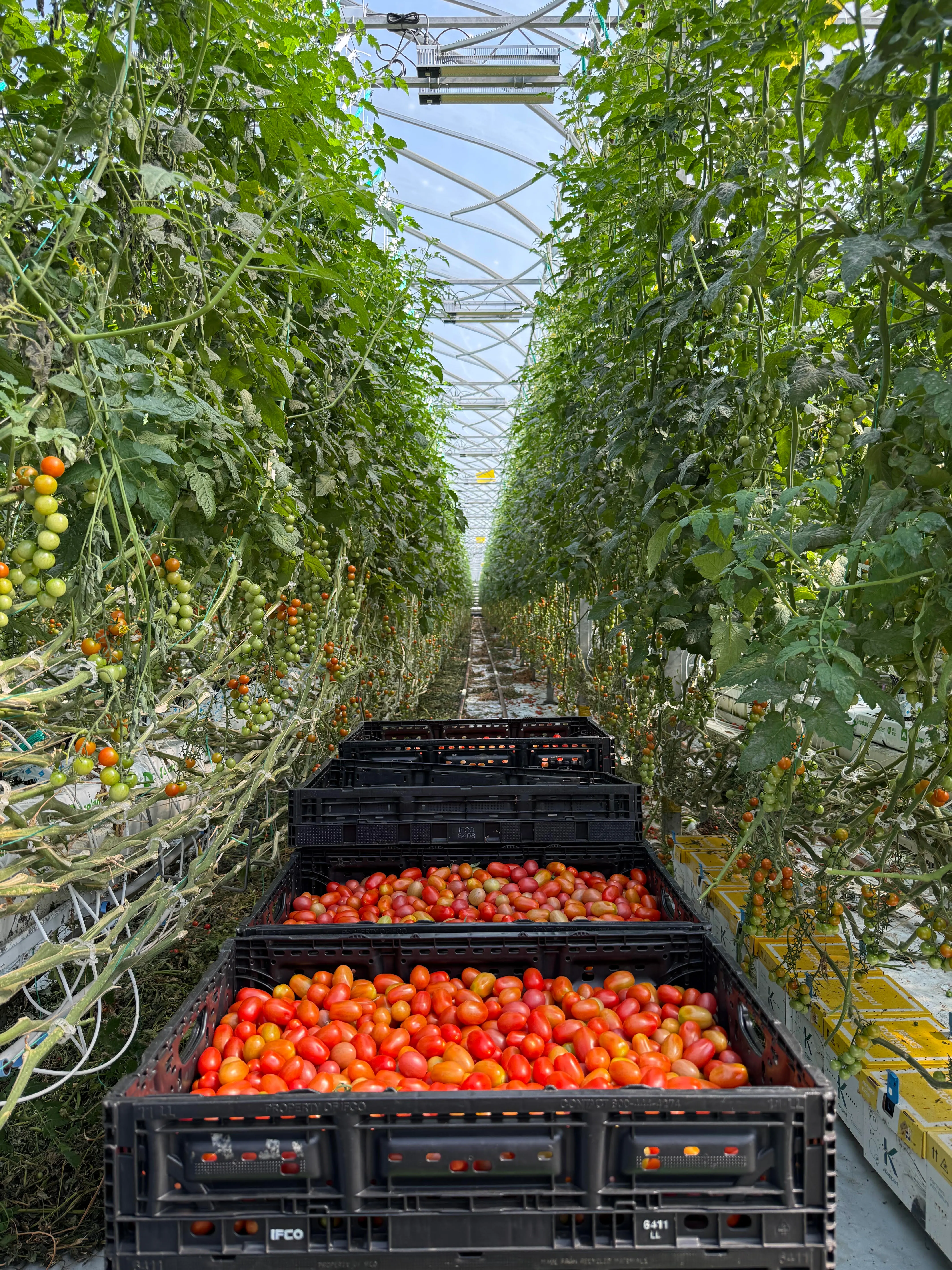
A study conducted by Sollum Technologies examined the yield quality of grape tomatoes when exposed to static or dynamic LED lighting. Researchers found a 19.5% yield boost from the dynamic-lighting-grown tomatoes.
Shelf Life, Color, and Flavor Improvements With Spectrum Control
Adjusting light spectrums using dynamic LED systems allows for optimal crop quality and may lead to improvements in color, flavor, and shelf life. These systems enable growers to apply specific light recipes to individual crop batches. The right LED light placement, spectrum, intensity, and photoperiod promote more vibrant and better-tasting crops.
ROI and Total Cost of Ownership
While LED greenhouse lighting typically requires a higher upfront investment, many growers achieve stronger long-term ROI through reduced energy consumption, lower maintenance costs, longer fixture lifespan, improved crop quality and operational flexibility.
HPS systems may appear less expensive initially, but recurring bulb replacement, higher electricity consumption, and HVAC costs often increase total ownership costs over time.
Utility Rebates and DLC Certification
Commercial growers may qualify for rebates and incentives to reduce the initial investment costs when switching to LED lighting. Eligibility depends on location, type of business, and other factors.
Looking for greenhouse lighting systems with DesignLights Consortium (DLC) certification can also lead to cost savings. Systems that meet this criterion have lower operating costs due to their energy efficiency. Many utility companies offering rebates require DLC certification to qualify.
Questions To Ask Before Upgrading From HPS
Before upgrading a greenhouse lighting system, growers should evaluate:
- What crops are being produced?
- What DLI targets are required?
- Is energy reduction a priority?
- How important is spectrum flexibility?
- Will multiple greenhouse zones require different lighting recipes?
- Are utility rebates available?
- How important is long-term operational flexibility?
The best greenhouse lighting strategy depends on far more than fixture wattage alone.
The Future of Greenhouse Lighting Is Dynamic
The greenhouse industry is evolving rapidly.
Today's growers require more than fixed-output lighting systems. They need lighting strategies capable of adapting to changing environmental conditions, crop stages, and production goals in real time.
While LEDs already offer substantial advantages over HPS systems in efficiency and maintenance, dynamic LED lighting takes greenhouse optimization even further through intelligent spectrum and intensity control.
For growers focused on long-term competitiveness, operational efficiency, and crop quality, the future of greenhouse lighting is no longer static. Commercial growers looking to maximize energy efficiency and crop quality benefit from dynamic LED greenhouse lighting.
Explore Sollum's Dynamic LED Greenhouse Lighting Solution
Sollum Technologies helps commercial greenhouse growers optimize crop performance through fully dynamic LED lighting and real-time spectrum management.
Using the SUN as a Service® (SUNaaS®) platform, growers can:
- Automatically adjust spectrum and intensity
- Manage lighting by greenhouse zone
- Optimize DLI targets
- Reduce energy consumption
- Improve crop quality and uniformity
Whether you are evaluating your first LED upgrade or exploring advanced dynamic lighting strategies, Sollum's team can help design a lighting solution tailored to your greenhouse operation.

→ Request a customized lighting assessment
→ Download the Grower's Guide to learn more
Learn about the new energy savings feature
About Sollum Technologies
As the leader in advanced dynamic LED lighting for commercial greenhouses, Sollum Technologies offers a unique proposition. The comprehensive solution provides the flexibility to adapt lighting in real time to meet crop needs at every stage of growth, supports producers operational and financial goals in a sustainable manner, and offers unmatched technical and agronomic guidance. Designed and manufactured in North America, Sollum's technology is deployed across major greenhouse operations to support year-round production, consistent quality, and smarter energy use.
Founded in 2015, Sollum is headquartered in Montréal (Québec, Canada) with regional offices in Kingsville (Ontario, Canada) and Atlanta (Georgia, USA). For more information, visit sollum.tech.

Stay informed on growing
Get the latest news, innovations, and insights delivered to your inbox
