
CEA Growth Pathway Program: How Greenhouse Growers Can Fund LED Grow Lights with Up to $10 Million

The CEA Growth Pathway Program is a $750 million Agriculture and Agri-Food Canada (AAFC) program for controlled environment agriculture. Its Technology Adoption Stream names lighting as an eligible technology and offers $100,000 to $10 million per project. AAFC covers up to 50% of eligible costs, and up to 70% for some projects. Applications close December 23, 2026, at 12 pm (noon) Eastern Time.
Minister of Agriculture and Agri-Food Heath MacDonald launched the program on October 30, 2026. For growers still running high-pressure sodium (HPS) fixtures, it is one of the largest federal funding windows for a lighting upgrade in years. This guide explains who qualifies, how a lighting project fits the program, and what to prepare before the deadline.
What Is the CEA Growth Pathway Program?
The CEA Growth Pathway Program is a federal fund that helps Canadian producers grow more fruits and vegetables indoors, all year. It is part of the $3.2 billion National Food Security Strategy, runs until March 31, 2033, and splits $750 million across two streams.
•CEA Technology Adoption Stream ($650 million): Helps producers adopt, expand and modernize indoor growing infrastructure and technologies, including automation, robotics, lighting and digital growing tools. Most commercial greenhouse growers will apply here.
• Expanding Local Food Production in Rural and Northern Communities Stream ($100 million): Funds community-driven projects that increase local food production and improve access to fresh food.
Light is the main limit on winter production in a Canadian greenhouse. From November to February, short days and low sun angles cut the natural light a crop receives. Supplemental lighting fills that gap, which is why lighting sits at the centre of the program's goal: more fresh produce grown at home, less reliance on imports, and a stronger food supply.
Does the Program Cover LED Grow Lights?
Yes. AAFC lists lighting by name in the Technology Adoption Stream description. A lighting project can match several eligible activities, from modernizing a facility to adopting data tools and new crops.
AAFC's eligibility page lists the activities below. Here is how a lighting upgrade fits each one:
• Modernizing growing facilities and upgrading them for efficiency. Replacing HPS fixtures with LED grow lights is a facility modernization. Our article on moving from HPS to dynamic LED explains what changes for the grower.
• Purchasing and installing equipment and technology, such as automation, monitoring systems and artificial intelligence tools. Dynamic LED fixtures with automated controls fall here.
• Data management and analytical tools. Sollum's SUNaaS cloud platform adjusts each lighting zone to the ambient sunlight so the crop meets its recipe targets.
• Testing, adopting and expanding novel crops and varieties. Each crop needs its own light recipe. Dynamic spectrum control lets one greenhouse run several recipes at once.
• Training and knowledge-sharing. Grower training on light recipes and crop steering builds indoor growing skills.
AAFC refers to set program cost categories. Confirm each line of your lighting budget against those categories before you submit.
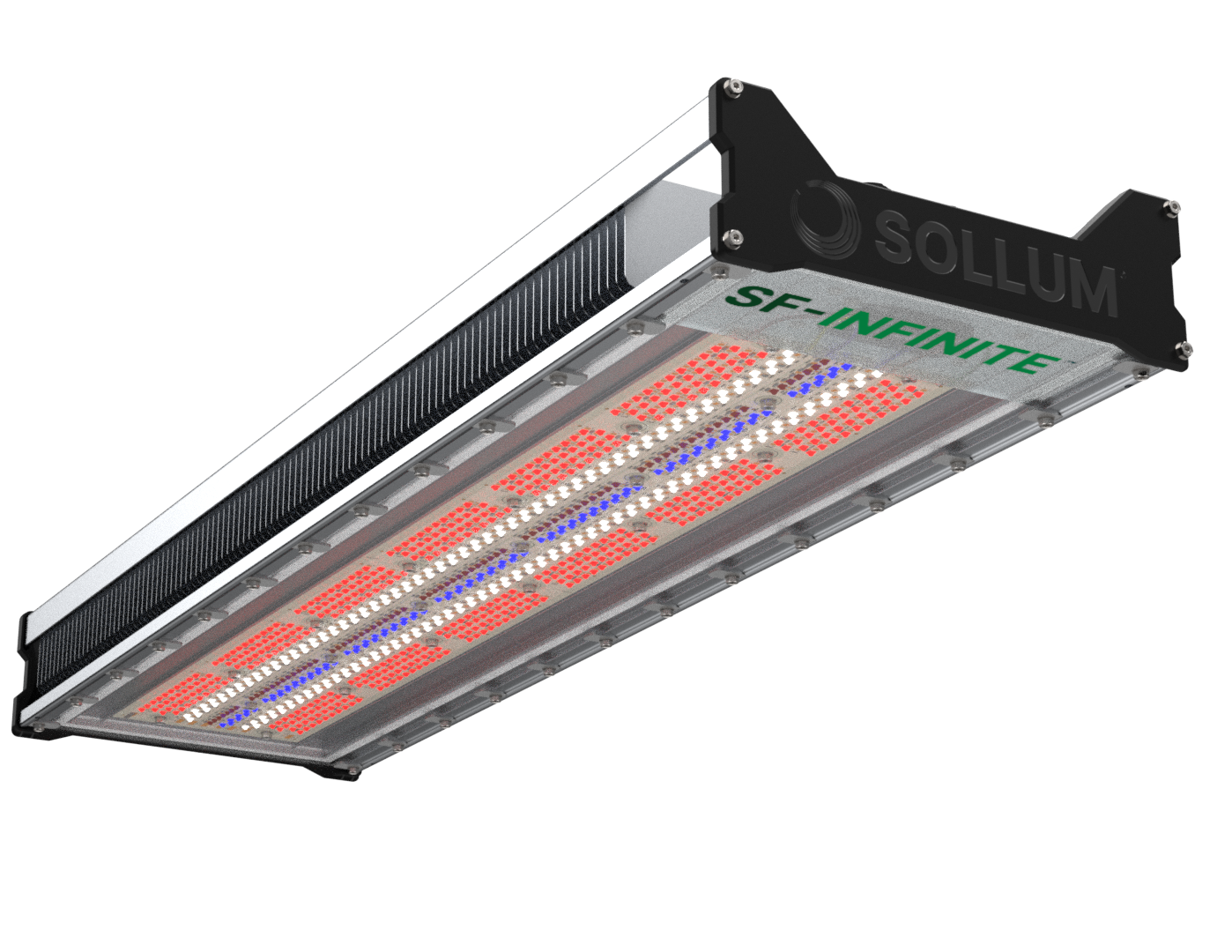
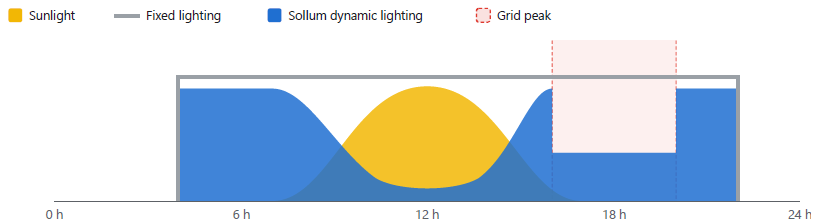
What smart lighting changes
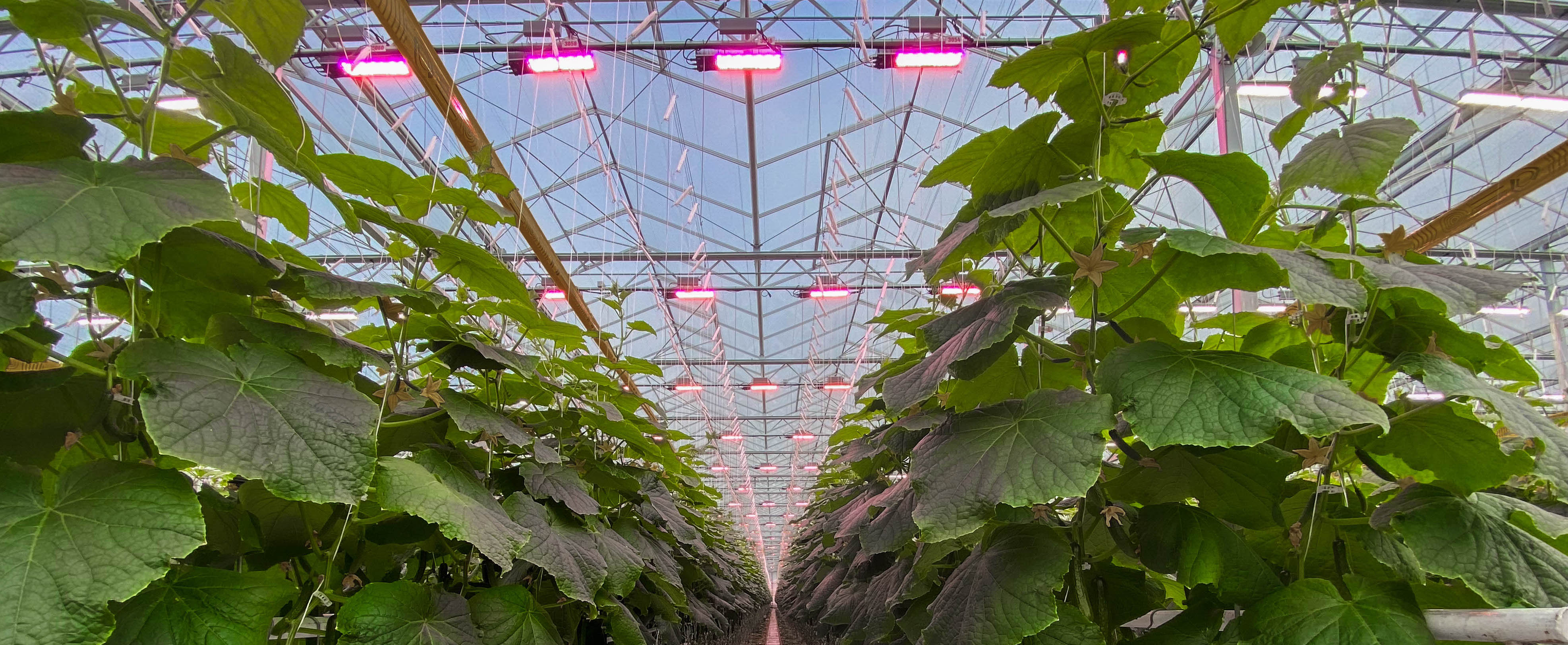
Conventional grow lights run at a fixed output. Sollum’s fixtures adjust their spectrum and intensity continuously, through cloud control, to complement natural sunlight and to step down when the grid needs it.
Key Dates and Funding Terms
The intake runs from October 30 to December 23, 2026. Projects may receive $100,000 to $10 million from AAFC. You fund at least 50% of eligible costs in cash, or less if your project qualifies for a higher cost-share rate.
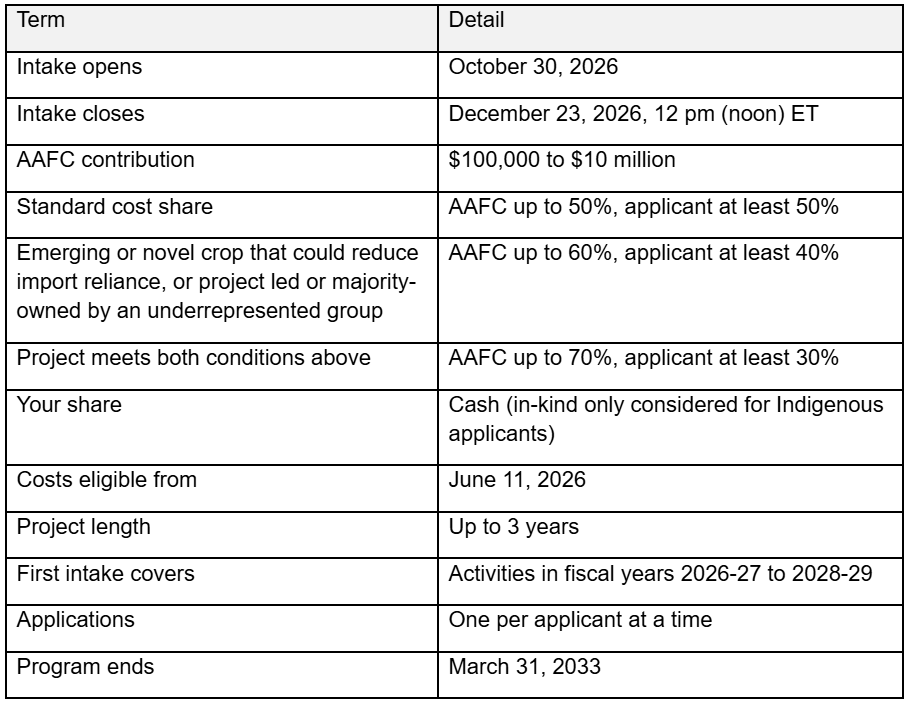
What the cost share means in dollars: A grower planning a $2.4 million HPS-to-LED retrofit could request up to $1.2 million from AAFC at the standard 50% rate. If AAFC accepts the crop as emerging or novel, the same project could request up to $1.44 million at 60%. To reach the $10 million maximum at the standard rate, a project needs at least $20 million in eligible costs.
Is the Funding a Grant or a Loan?
It can be either. AAFC generally offers non-repayable contributions to projects that create benefits beyond private gain and advance the National Food Security Strategy, and it gives these projects priority. Projects that mainly produce direct commercial benefits may get repayable contributions. A lighting project can show public benefit through more domestic produce in winter, lower energy use per kilogram, and new crops that cut import reliance.
Who Is Eligible to Apply?
Applicants must operate in Canada, work in controlled environment agriculture or a related sector (or have the skills to do so), and be a legal entity that can sign a binding agreement.
Eligible applicant types include:
• For-profit and non-profit organizations, including commercial greenhouse operations
• First Nations, Inuit and Métis individuals, communities, governments and organizations
• Academic institutions (research-focused projects are not eligible)
• Other levels of government
What Is Not Eligible?
Projects for ornamental plants, cannabis, animal feed or other non-food production do not qualify, unless AAFC lists them as eligible for Indigenous recipients. Many greenhouses light cut flowers, bedding plants or cannabis beside vegetables. If you run a mixed operation, confirm with AAFC how to separate food and non-food lighting costs before you apply. A zone-by-zone lighting plan makes that split easier to show.
How Will AAFC Measure Your Project?
Your application must show how the project supports at least one of four program outcomes.
1. More adoption of indoor growing infrastructure, technologies and production practices
2. Better productivity, efficiency and sustainability in indoor growing operations
3. More year-round or extended supply of domestically grown fruits and vegetables
4. Greater diversity of fruits and vegetables grown indoors
AAFC tracks technologies adopted, facilities built or modernized, crop diversity, water use, energy use (kWh per kg or per m²), area used for fruit and vegetable production, sales value, and year-round production.
Lighting connects directly to three of these indicators. Here is what results look like in Canadian greenhouses:
• Year-round supply. Allegro Acres in Kingsville, Ontario, grew red, yellow and orange bell peppers through the winter on four acres under more than 5,300 Sollum fixtures. Sollum's Allegro Acres case study describes it as a Canadian first. AAFC's Harrow Research and Development Centre monitored yield, quality, growth and energy use.
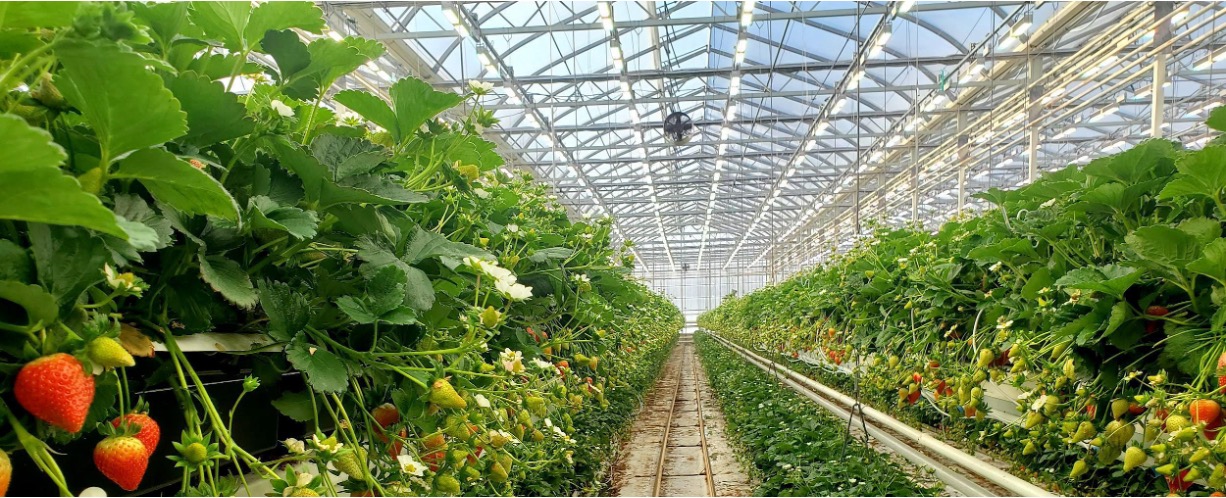
• Crop diversity and quality. In a commercial strawberry greenhouse in Leamington, Ontario, Sollum's dynamic LEDs delivered an average 54% increase in Class I fruit yield compared with a static LED setup in the same commercial context, as reported in our strawberry case study.
• Energy per unit of output. Dynamic lighting adds only the light the crop needs on top of the sun, so fixtures dim when natural light is strong.
The strongest applications put numbers on these indicators before installation. State your current kWh per m², lit hours and January yield per m². Then state the reduction or gain you expect from the new lighting.
Can You Combine Federal Funding with Utility Lighting Rebates?
Possibly, but confirm with AAFC first. Several provinces offer incentives for efficient horticultural LED lighting through programs such as Save on Energy in Ontario, Hydro-Québec and FortisBC in British Columbia. Our guide to greenhouse lighting rebates covers these programs. AAFC's public program pages do not state stacking limits, so ask AAFC how a utility rebate affects your eligible costs and total government assistance before you count both in your financing plan.
How to Prepare a Strong Lighting Application Before December 23
The deadline lands at the start of the winter lighting season. These steps keep the work manageable.
1. Confirm your project fits. It must focus on fruit or vegetable production and match at least one program outcome. Check whether your crop or ownership qualifies for the 60% or 70% cost-share rate.
2. Submit a Project Summary Form first. AAFC invites applicants whose summaries align with program goals to submit a full application.
3. Record your baseline lighting data now. Gather current energy use, lit hours, PPFD and Daily Light Integral (DLI) at crop level, yield per m² by month, and sales. Our guide to horticulture lighting metrics explains each measure. You cannot show a percentage gain without a starting number.
4. Get a lighting plan and an itemized quote. List fixture count, layout, controls and installation by zone. Fixed pricing from one supplier is easier to defend than estimates pieced together from several vendors.
5. Build a schedule by fiscal year. Federal fiscal years end March 31. Map each installation phase to 2026-27, 2027-28 or 2028-29, and phase the work around crop changeovers.
6. Secure your cash share. Talk to your lender or Farm Credit Canada (FCC) manager early. Your financing plan must be credible.
7. Know the risk of early spending. Costs may count back to June 11, 2026, but AAFC funding is not confirmed until you sign a contribution agreement. Costs incurred before both parties sign may not be reimbursed.
How Sollum Supports Funded Lighting Projects
Sollum designs, develops and manufactures its dynamic LED grow lights in Canada. Our horticultural team works with growers and research partners to build light recipes for each crop's growth cycle.
For a funded project, that work gives your application what it needs:
• A lighting layout and fixture count for each growing zone
• An itemized quote you can enter directly into your project budget
• Crop-specific light recipes that support your yield and year-round production targets
• Zone-level lighting data from the SUNaaS platform, so you can report results after installation
• Help with utility rebate eligibility and documentation
AAFC makes all funding decisions. Sollum helps you plan a lighting project that is measurable and priced with certainty.
Frequently Asked Questions
Does the CEA Growth Pathway Program pay for LED grow lights?
Yes. AAFC names lighting as an eligible technology in the Technology Adoption Stream. The project must support fruit or vegetable production.
How much funding can a greenhouse grower get?
AAFC may contribute $100,000 to $10 million per project. It covers up to 50% of eligible costs, or up to 60% or 70% for projects with emerging or novel crops or underrepresented-group ownership.
What is the application deadline?
The intake closes December 23, 2026, at 12 pm (noon) Eastern Time. AAFC may close it sooner if funding is fully committed.
Can cannabis or flower growers use this funding for lighting?
No. Ornamental plants, cannabis, animal feed and other non-food production are not eligible, except where AAFC specifies eligibility for Indigenous recipients.
Can I install new lights before AAFC approves my project?
Project costs may be eligible as of June 11, 2026, if they fall within the program's cost categories. Funding is not confirmed until you sign an agreement with AAFC, so early spending is at your own risk.
The Takeaway
The CEA Growth Pathway Program rewards projects with clear numbers: more domestic produce in winter, less energy per kilogram, and new crops that replace imports. Lighting drives all three. The window closes December 23.
If you are planning an HPS-to-LED retrofit or lighting for a new range and want a lighting plan, fixed pricing and a phased schedule for your application, contact Sollum Technologies or call 1-866-220-5455.
Learn about the new energy savings feature
About Sollum Technologies
As the leader in advanced dynamic LED lighting for commercial greenhouses, Sollum Technologies offers a unique proposition. The comprehensive solution provides the flexibility to adapt lighting in real time to meet crop needs at every stage of growth, supports producers operational and financial goals in a sustainable manner, and offers unmatched technical and agronomic guidance. Designed and manufactured in North America, Sollum's technology is deployed across major greenhouse operations to support year-round production, consistent quality, and smarter energy use.
Founded in 2015, Sollum is headquartered in Montréal (Québec, Canada) with regional offices in Kingsville (Ontario, Canada) and Atlanta (Georgia, USA). For more information, visit sollum.tech.


Stay informed on growing
Get the latest news, innovations, and insights delivered to your inbox
